Train Marriage
A theatrical ritual exploring memory, identity, and emotional labor

A theatrical ritual exploring memory, identity, and emotional labor
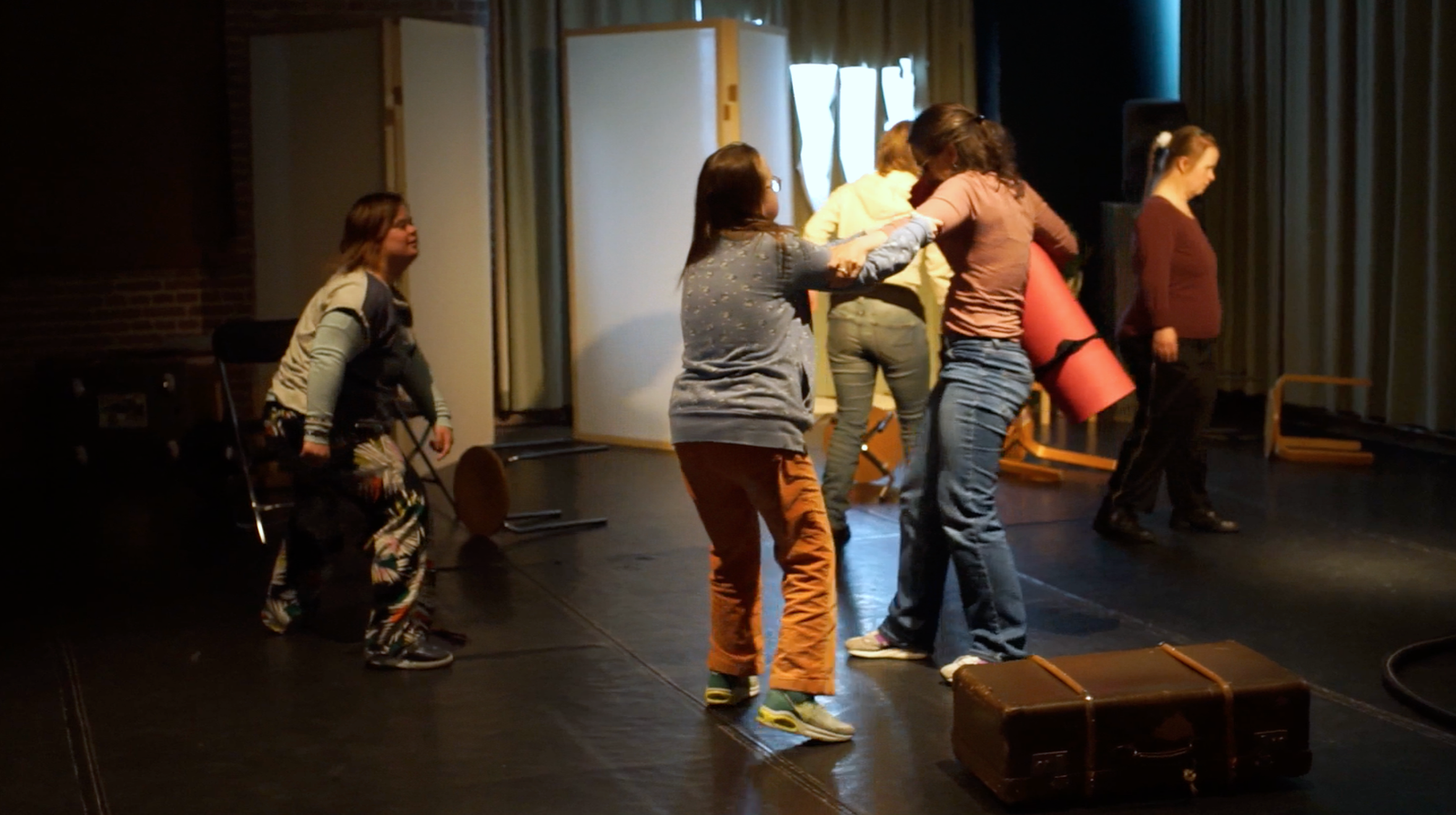
Train Marriage imagines a ritual in which couples board a train to marry — only to offload their emotional memory into newly formed clones. The originals continue on, lighter; the clones remain behind to live out the fragments. What begins as a surreal ceremony becomes a meditation on identity, abandonment, and the limits of emotional endurance.
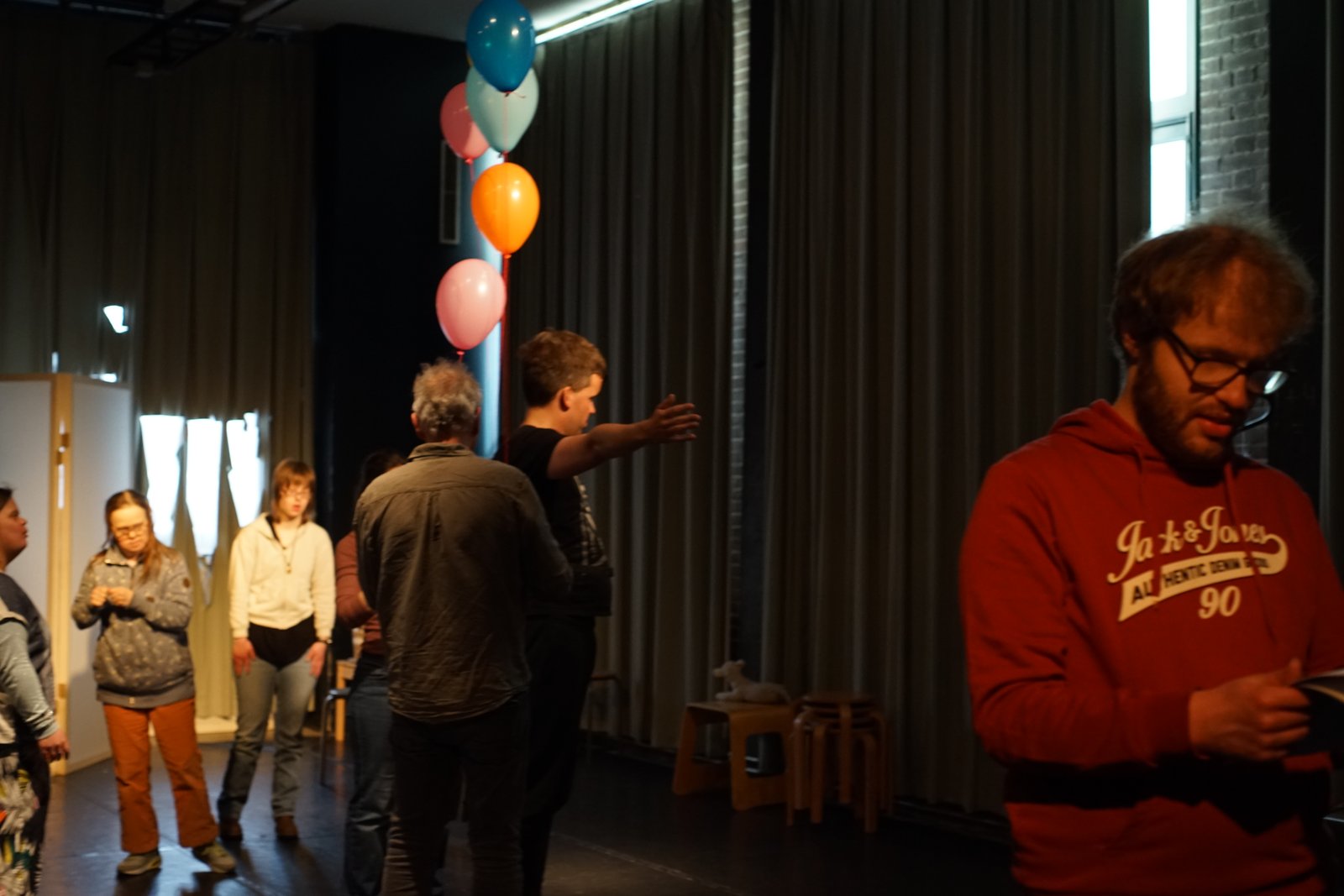
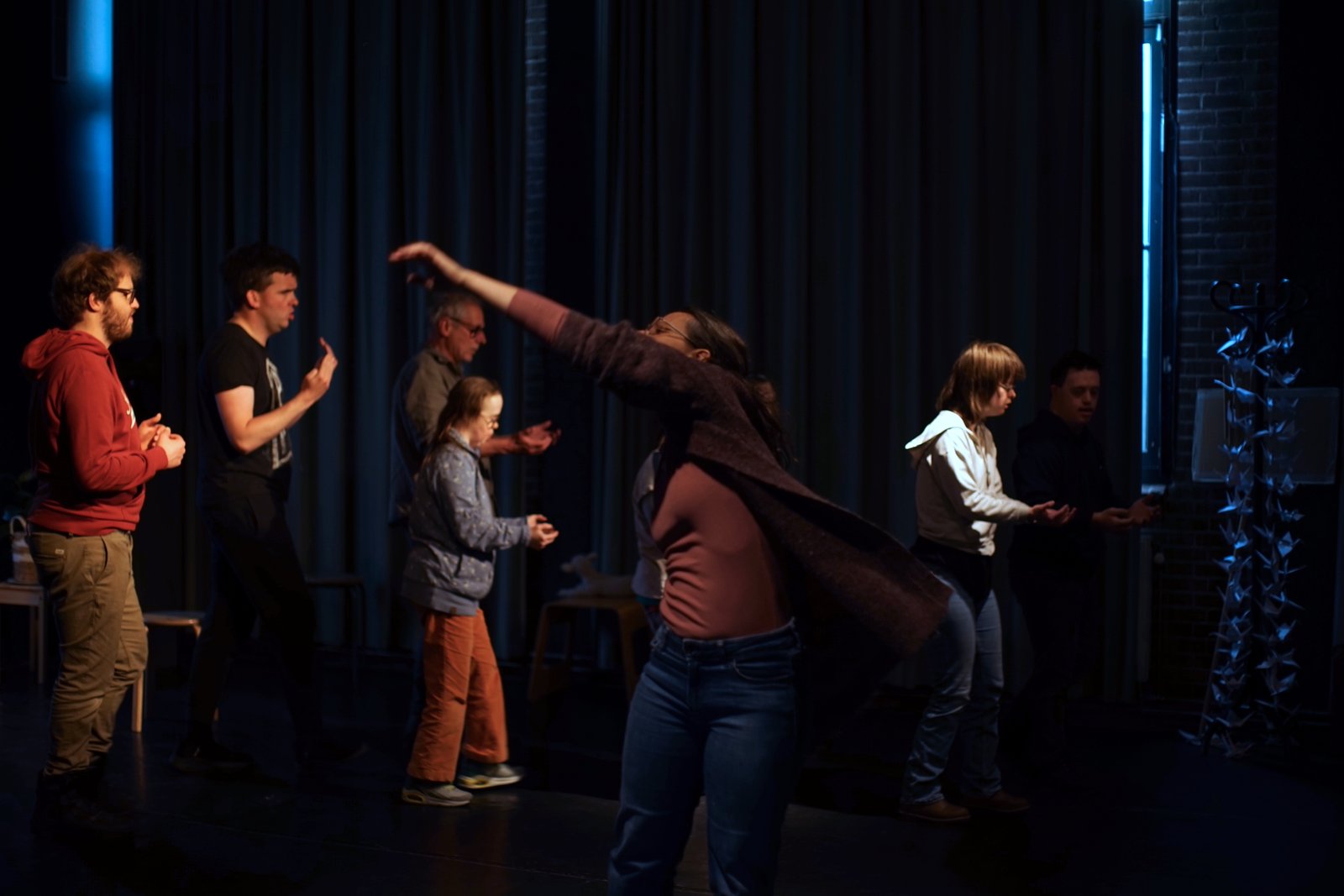
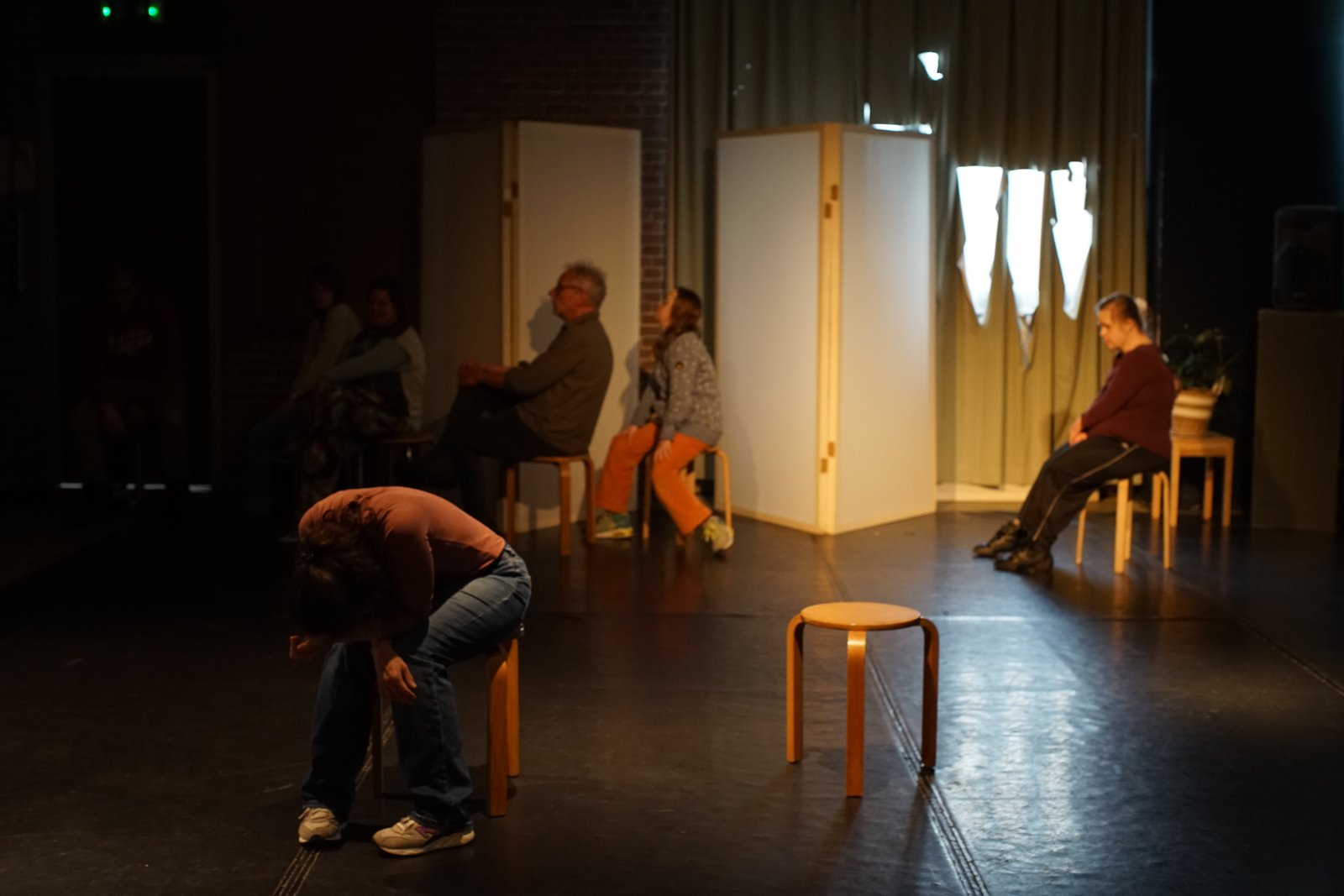
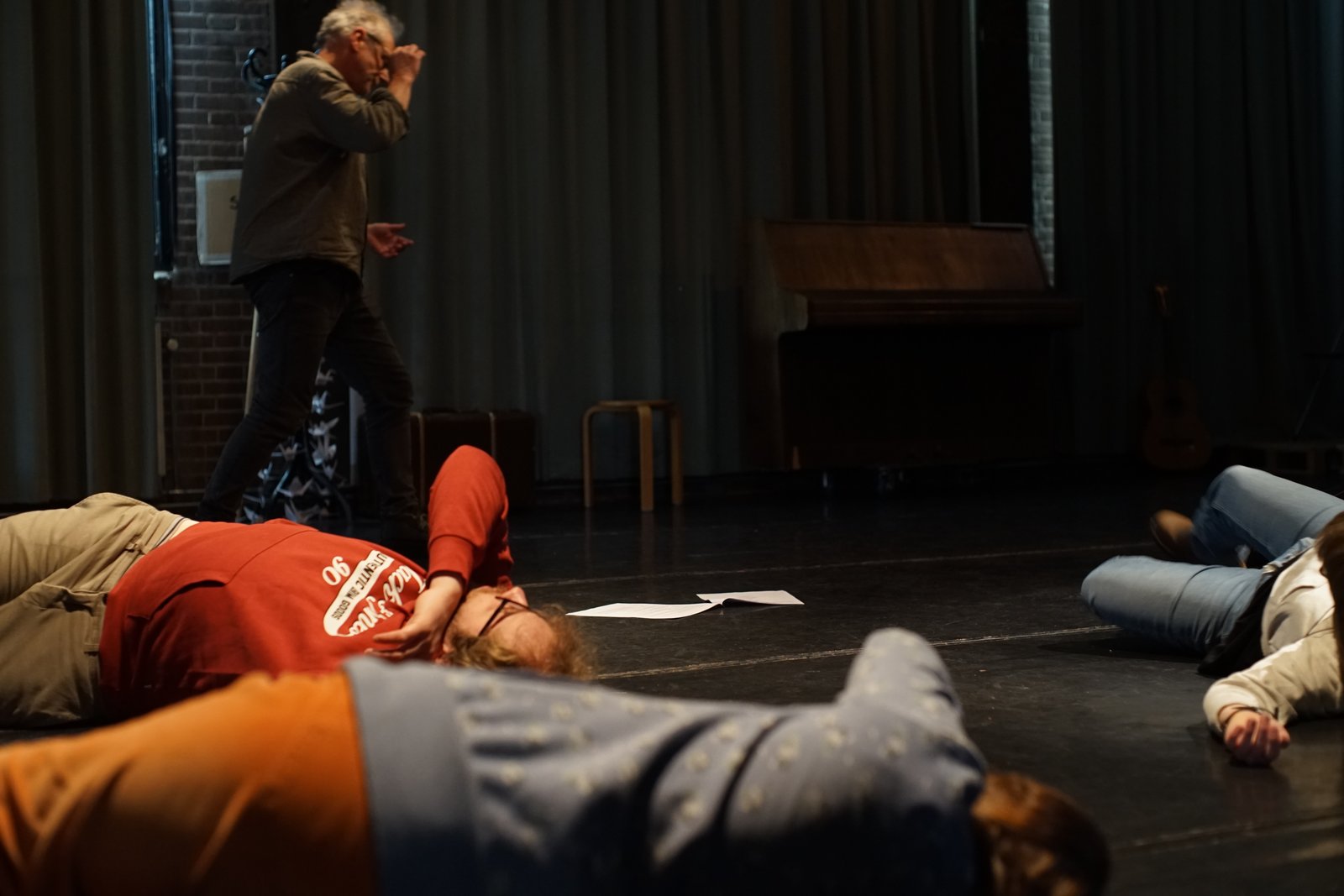
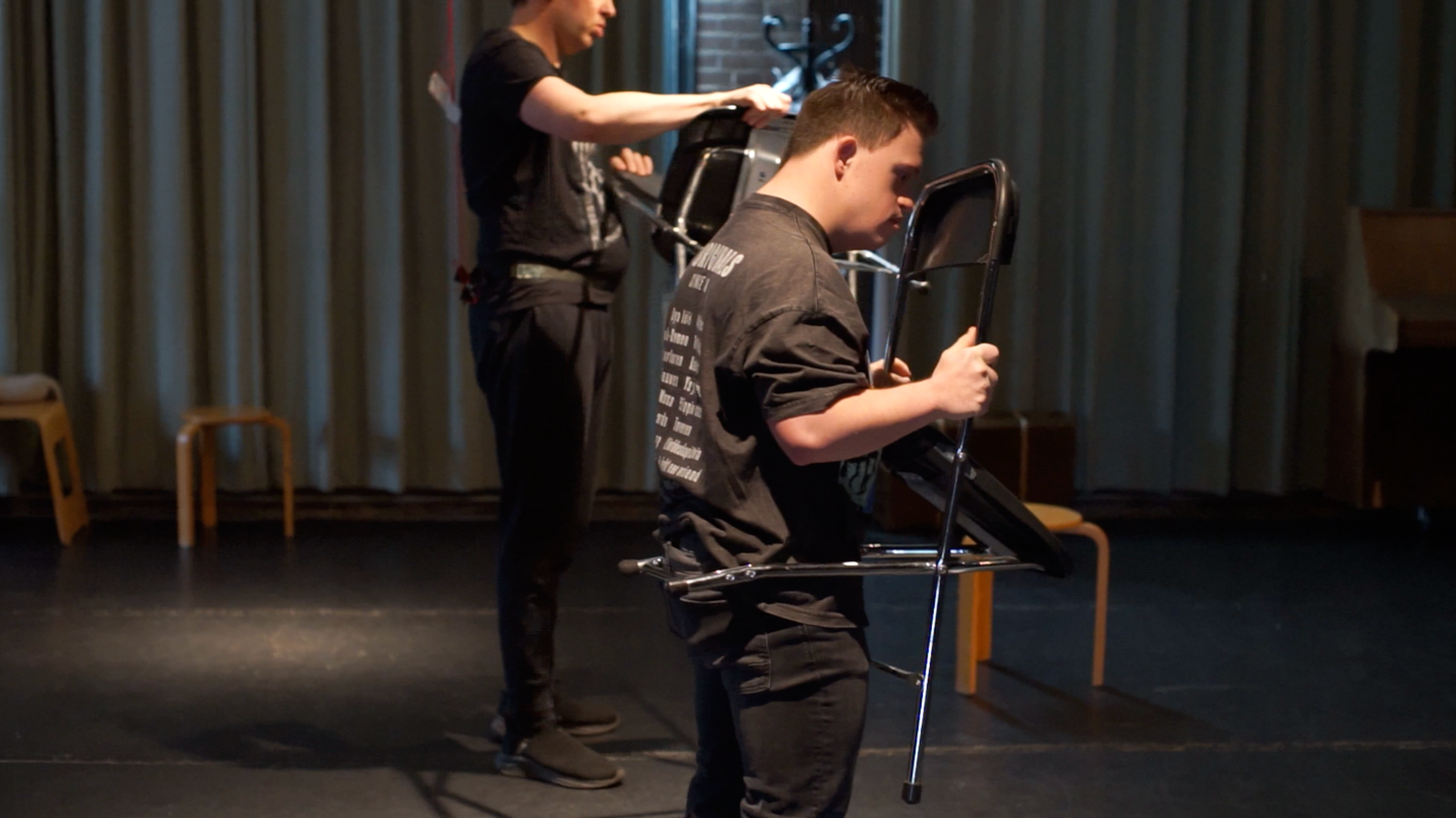
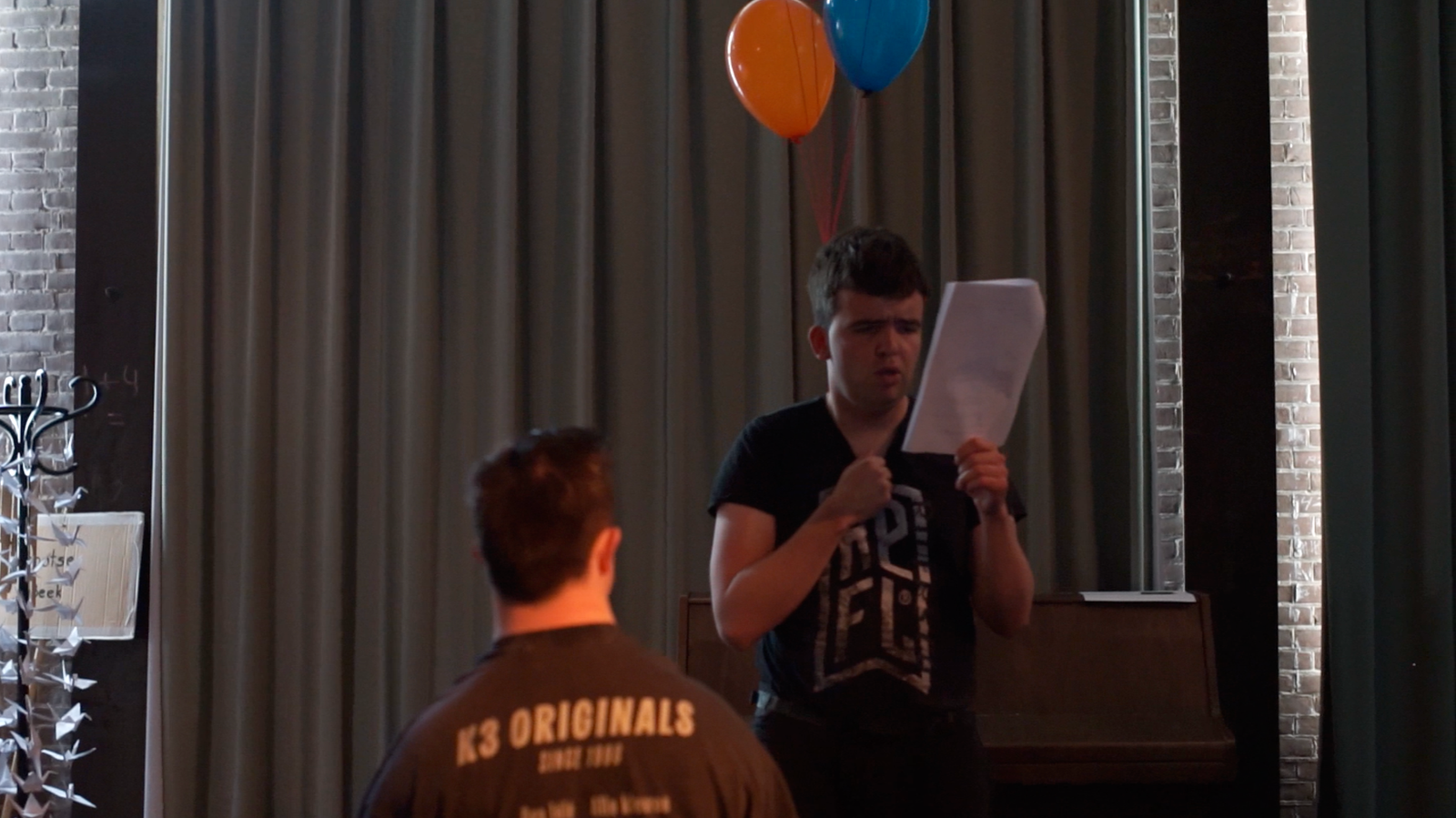
Told through poetic text, sound composition, and ritual staging, the piece unfolds as a sensory experience in which memory becomes a physical burden. The performers are from Theatergroep Domino (NL), a company of neurodivergent actors — echoing the play's core question: what does it mean to carry memory or meaning that isn't even yours?
- Concept, Text & MusicLam Lai
- DirectorJaap Metzlar
- Movement CoachClaudia Flameling
- PerformersTheatergroep Domino
- Original Body 1Takes part in the wedding ceremony. Creates Clone 1.
- Original Body 2Takes part in the wedding ceremony. Creates Clone 2.
- Clone 1The clone created from Original Body 1.
- Clone 2The clone created from Original Body 2.
- The ConductorKeeper of the train's ritual. Officiates the ceremony.
- Crowd 1, 2, 3People living on the island.
Actors play double roles.
- 1Train Boarding Ritual — couples enter a train to be married; each exits alone. A myth begins.
- 2Wedding Ceremony — a surreal vow exchange paired with balloon-objects and memory-transfers.
- 3After the Transfer — the original bodies speak overlapping monologues; the clones begin to move apart.
- 4Storm Song — a moment of poetic stillness and sonic transformation.
- 5Island Life — the clones play absurd memory-games, attempting to live with fragmented identity.
- 6Leaving Scene — one clone returns to the train. A symbolic burning takes place.
- 7Emergency Outbreak — chaos on the island. Memory-balloons are lost. Collapse begins.
- 8Candle Scene — a final confrontation between clone and original.